
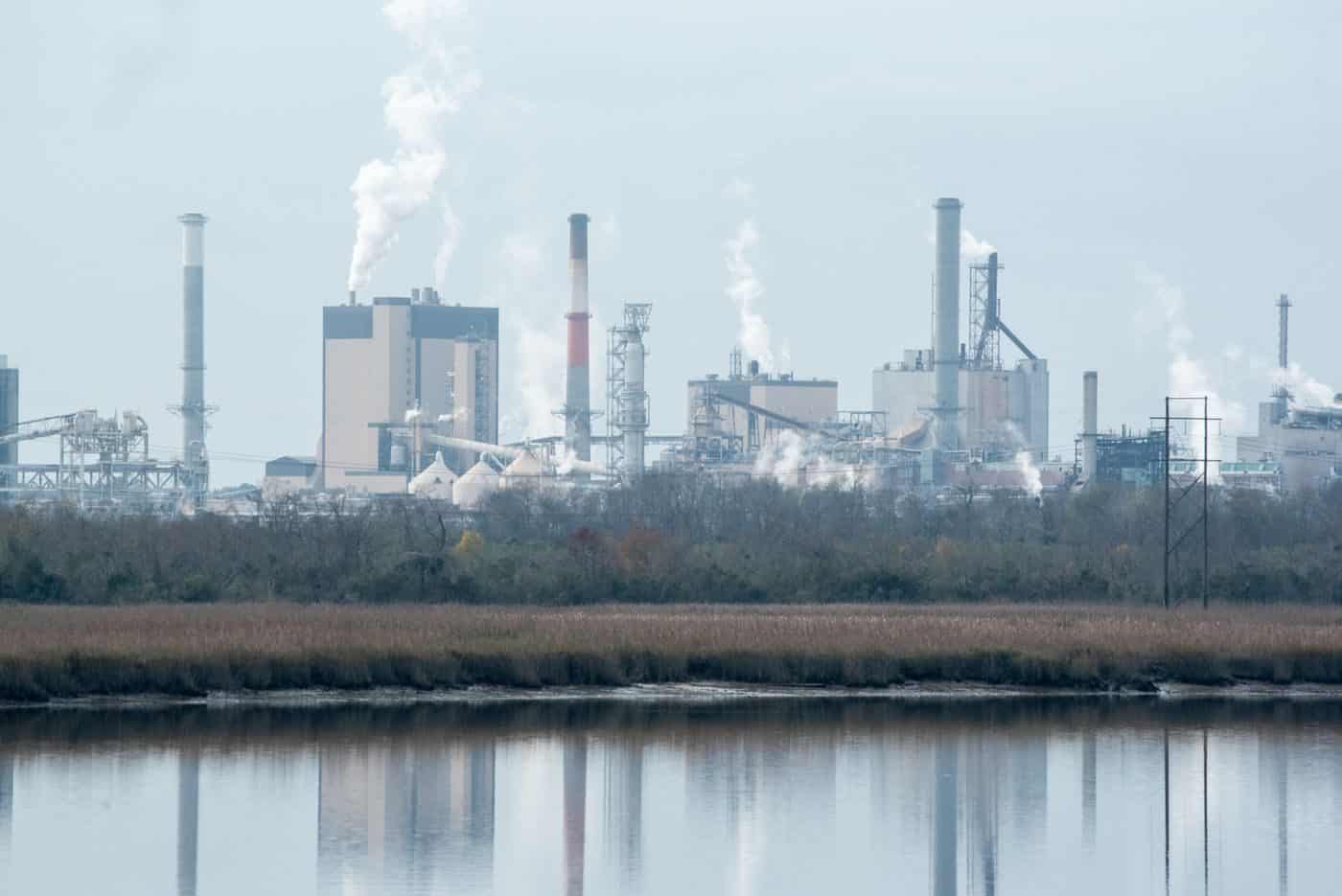
A waste-to-energy plant runs year-round, day and night, on a fuel whose composition changes by the minute. Municipal waste contains chlorine, sulphur, heavy metals, sand, glass and metal — a mix that eats away grates, wrecks refractory linings and thins boiler walls. That makes waste-to-energy (WtE) maintenance one of the toughest disciplines in industrial asset management: you're fighting corrosion and erosion in a plant that is never supposed to stop. This article walks through the critical wear parts — from grate floor to boiler — and shows how to turn inspection data into a tightly run overhaul.
Why a WtE plant is such a demanding maintenance environment
Three factors set waste-to-energy maintenance apart from most process industry.
- Continuous operation. A waste-to-energy plant has a duty to deliver: waste keeps arriving and heat or power contracts keep running. According to CEWEP, European waste-to-energy plants treat well over 100 million tonnes of waste per year — capacity you can't simply switch off. Every unplanned day of downtime costs both throughput and revenue.
- Heterogeneous, aggressive fuel. Natural gas is predictable; waste is not. Calorific value, moisture content and chemical composition vary with every grab-load. At high temperatures, chlorine and sulphur form aggressive compounds that attack metal, while ash and sand scour surfaces like sandpaper.
- High temperatures with cycling. Furnace temperatures from 850 to above 1000 °C, combined with start-ups and shutdowns, create thermal cycles that crack and deform materials.
The result: virtually every component in contact with fire or flue gas is a wear part with a finite life. The question is not whether you will replace it, but when — and whether you see that moment coming.
The grate floor: wear, burn-through, deformation
The combustion grate is the mechanical heart of the plant. Grate bars transport and turn the waste while primary air flows through them — and they take three kinds of damage doing it:
- Wear from the abrasive action of waste and ash and from the bars sliding against each other. Air gaps widen, air distribution deteriorates, and combustion quality suffers with it.
- Burn-through where cooling (air or water) falls short locally, for instance due to blocked air gaps or a pile of low-calorific waste suddenly flaring up.
- Deformation from thermal stress: warped bars jam, break or leave gaps through which unburnt material falls.
Grate bars are often replaced per row or zone, and individual bars where needed. So for each grate zone you want to know what the last inspection showed, the replacement percentage at the previous outage and how many running hours the line has logged since the last replacement. With such a replacement history per zone you build a wear profile. The zones with the highest thermal load often wear fastest, but the pattern varies with grate type and waste composition.
Refractory lining: cracking, spalling and anchor failures
The refractory protects membrane walls and steel structure against direct flame impingement. Typical degradation:
- Cracking from thermal cycling — hairline cracks grow into through-cracks that let flue gas creep behind the lining.
- Spalling: pieces of lining breaking away due to thermal shock, or slag build-up tearing off the top layer as it cools.
- Erosion by ash particles, especially where flue gas velocities are high.
- Anchor failures: the metal anchors holding tiles or castable corrode away, after which entire panels can drop — even where the lining looks fine from the outside.
Refractory damage is gradual and varies by zone. An inspection history per wall and per elevation, with photos and thickness estimates, is the difference between "we're recasting 40 m² in the first pass next outage" and "we'll see what we find".
Boiler and water walls: measure wall loss, don't guess
Inside the boiler, chlorine corrosion is the dominant degradation mechanism. Flue gases carrying HCl and alkali salts attack the membrane walls, especially in the first and second pass where temperatures are high and protective oxide layers unstable. Wall thickness loss is gradual — millimetres per year in the worst spots — until a tube fails and you face days of unplanned downtime.
That is why periodic wall thickness surveys are the core of boiler maintenance. During every outage you take ultrasonic measurements on a grid of points per wall and per elevation. A single measurement tells you little; the trend per point across several years tells you everything. It lets you calculate a corrosion rate per zone and project when tubes will reach minimum allowable wall thickness — and therefore what belongs in the next outage scope: re-inspect, apply nickel-alloy weld overlay cladding (such as Alloy 625), or replace tube sections. How to set up such a survey and work out the trend per point is covered in boiler tube thickness measurement.
Don't forget the downstream sections: economisers and superheaters have their own mechanisms. Superheaters suffer high-temperature corrosion on the flue gas side and are often the first major replacement item; economisers wear through fly ash erosion, concentrated on the first tube rows. Same recipe: measure, trend, plan ahead — the core of condition-based maintenance.
The major overhaul: a short outage, months of preparation
The rhythm of the sector is clear: months of continuous operation leading up to one planned overhaul of two to four weeks, usually every 12 to 18 months. Industry bodies such as the Dutch Waste Management Association (Vereniging Afvalbedrijven) stress how decisive availability is for the role WtE plants play in the waste and energy chain — every day of outage is a day without treatment and without delivery.
So the outage has to be short, and that only works with work preparation that starts months in advance:
- Inspection data ready beforehand. Wall thickness trends, refractory reports, grate zone history and failure data from the running year together define the expected scope.
- Freeze the scope. Prioritise by criticality: what must happen this outage, what can wait for the next, and what you only do if inspection during the outage confirms it (conditional scope).
- Secure parts and materials. Grate bars, tube sections, refractory materials and anchors have lead times of weeks to months. Your stock needs to be right before day one of the outage — reaching into an empty bin on day three means overrun. Which critical parts to hold in advance is covered in our article on which spare parts to keep in stock.
- Book contractors. Refractory specialists, certified welders and scaffolders are scarce, especially in spring and autumn when many plants shut down at the same time.
From inspection data to repair scope
The jump from "a stack of measurement reports" to "a substantiated scope" takes three steps:
- Standardise measurement campaigns. Measure the same grids at the same positions every outage, so results are comparable. A measurement without a fixed reference is a snapshot without a trend.
- Track trends per zone. Corrosion rate per boiler zone, replacement rate per grate zone, damage pattern per refractory face. Zones with accelerating degradation get priority.
- Factor in criticality. A leaking economiser tube is annoying; a leak in the first pass shuts the line down for days. Combine remaining life with failure consequence to decide what truly belongs in scope. This is also where the trade-off between preventive and corrective maintenance becomes concrete: for critical zones you accept no failures, for redundant equipment you sometimes do.
None of this works without solid records: inspection history per zone and component, running hours, work orders and consumed spare parts captured in context rather than scattered across reports, spreadsheets and people's heads. For the furnace section specifically, TimeQeeper's FurnIQ module keeps inspections and wear data structured per zone.
What goes wrong without that foundation
Without history, every outage follows the same script: the grate is opened and turns out worse than expected, the scope grows by days, the required grate bars are not in stock, and the refractory crew has moved on to their next client by the time the extra work becomes clear. Every surprise during the outage costs a multiple of what the same finding would have cost months earlier. Outage overrun is rarely an execution problem — it is almost always an information problem that started months before. How TimeQeeper supports waste-to-energy operators is described on our page for waste processing.
Frequently asked questions
How often does a waste-to-energy plant have a major overhaul?
Most plants schedule one major overhaul per incineration line every 12 to 18 months, lasting two to four weeks. Some also plan short intermediate stops for inspections or minor repairs. The exact cycle depends on the condition of grate, refractory and boiler — in other words, on what your inspection data tells you.
Why are wall thickness measurements so important in a WtE plant?
Chlorine corrosion gradually thins boiler walls, invisibly from the outside. Ultrasonic wall thickness surveys at fixed points, repeated every outage, give you a corrosion rate per zone. That lets you project when minimum wall thickness will be reached and schedule replacement or cladding in time — instead of dealing with a leaking tube and days of unplanned downtime.
What is the biggest cause of overrun during a major overhaul?
Unforeseen extra scope: damage that only becomes visible once the plant is open, while parts, materials or specialists are not prepared for it. The remedy is a solid inspection history per zone, trends across multiple outages and a stock check on critical parts well before the outage date.