
The line has to run. Including between two outages.
You cannot stop an incineration line to go and find something out. TimeQeeper records run-hours, inspections and condition while the plant runs, so the next overhaul rests on data instead of on memory.
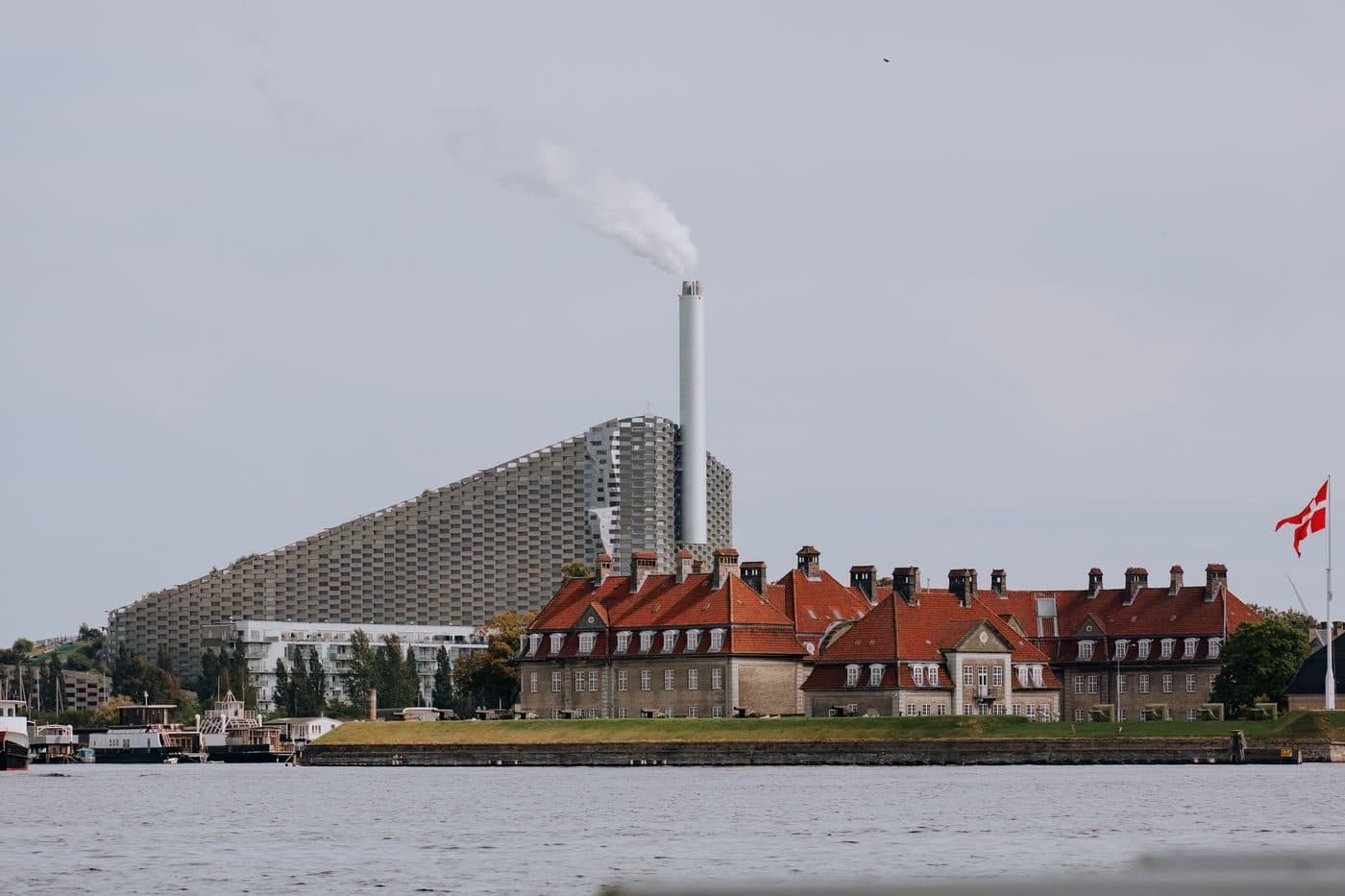
Where waste processing gets stuck.
Waste is not a constant fuel. The plant wears unevenly, and that is exactly what makes calendar-based maintenance a poor bet.
The outage is too short for surprises
A planned outage is fixed months ahead and lasts exactly as long as it lasts. If the inspection shows a bundle or part of the grate has to come out, the question is not whether that is possible but whether the part is on the shelf.
Condition lives in people's heads
Who still knows which zone was replaced last outage, and how thick the wall was then? Usually the one technician who has been there fifteen years. Without recorded history per zone, every overhaul starts from scratch.
Run-hours diverge widely
Two identical pumps on the same line rarely run for the same length of time. Maintenance set by the calendar is too early for one and too late for the other — and you find out afterwards.
From scattered observations to a file per installation.
No single module solves this. The point is that inspection, stock and planning all look at the same asset.
The furnace as a clickable drawing
FurnIQ turns your furnace into a digital twin: click a zone and see its inspection history, wall thickness measurements and trends. Replacements build up that history instead of disappearing into an outage report.
Explore FurnIQMaintenance on actual run-hours
Nodes record run-hours and starts for pumps, fans, shredders and cranes. Maintenance rounds follow those, so an asset that has worked harder comes up sooner.
About run-hoursParts ready before the outage date
Critical spare parts are linked to the assets they belong to, with reorder point and lead time per supplier. That turns the stock check well before the outage into a report instead of a walk around.
To the warehousePermits and LOTO at the job
Work in a bunker, boiler or furnace calls for permits and lockout. Those hang off the work order, so the record is created during the work and not afterwards.
Safety & complianceWhat an overhaul looks like when the history is right.
An example of how the pieces work together in the run-up to a planned outage.
- 1
Between outages
Inspection rounds record wall thicknesses and observations per zone. Every measurement attaches to the same spot on the drawing as the last one.
- 2
Three months out
The trend per zone shows which parts are due this time. That becomes the basis for the work list, instead of an estimate.
- 3
Six weeks out
The work list pulls in the parts it needs. Whatever is not in stock goes out through the purchasing flow with the supplier's lead time attached.
- 4
During the outage
Technicians work through the tasks with permits and LOTO built in. What they find goes back into that zone's history.
None of this makes an overhaul effortless. The difference is that the surprises get smaller as the history gets longer.
Questions from waste processing
Does this work if our inspection history is currently in spreadsheets?
Yes. Existing data comes in through structured imports, so you do not start with an empty system. How you connect further to your system landscape is something we look at case by case.
Can we tie measurements to a specific spot on the furnace?
That is what FurnIQ is for. You upload your own drawing and place points on it; every measurement and replacement then attaches to that spot. So you build a trend per zone rather than per installation.
How do run-hours handle assets that stand still during an outage?
The node records whether the machine is running, not whether the day has passed. If an asset is idle its run-hours do not accumulate and the maintenance moment shifts with it.
What does it take to get started?
In practice it starts with one line or one installation: the assets in it, the critical spare parts and the inspection points. Nodes go on the assets whose usage genuinely matters. Expanding after that goes line by line.
Ready for more control over your maintenance?
Book a tailored demo. We'll show how TimeQeeper fits your assets, processes and team — and we'll get in touch quickly.